
400-9920-618
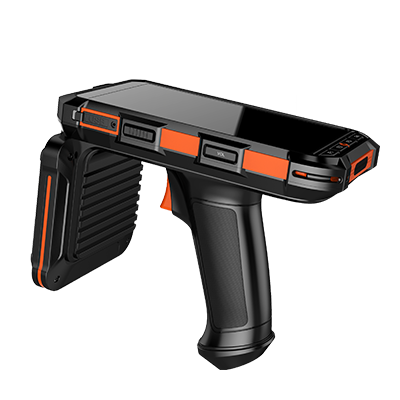
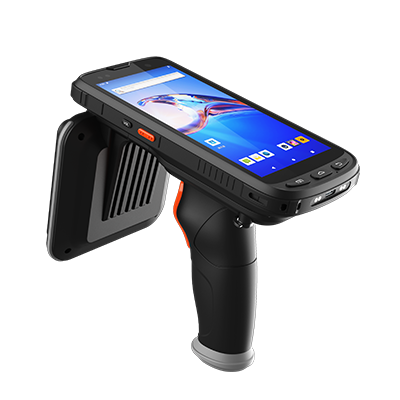
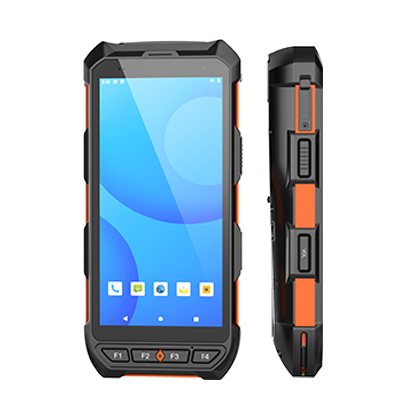
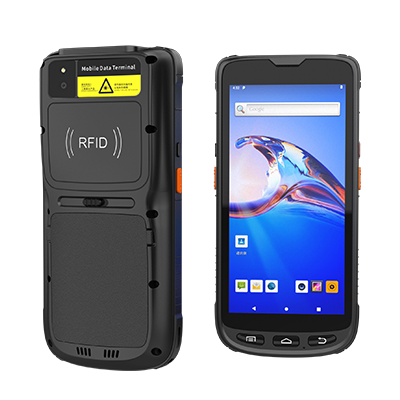
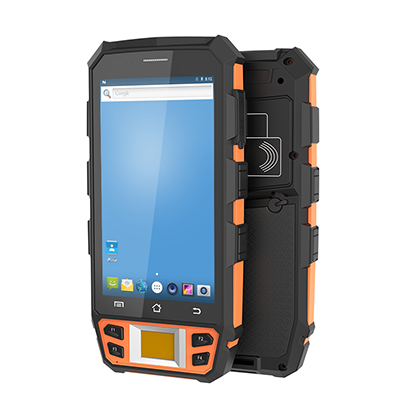
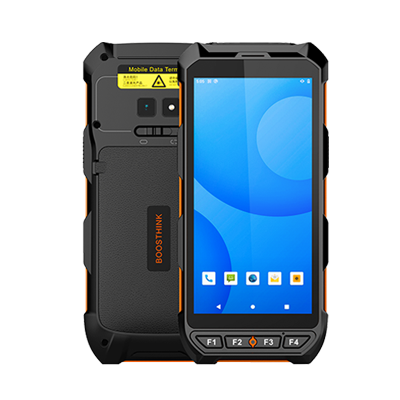
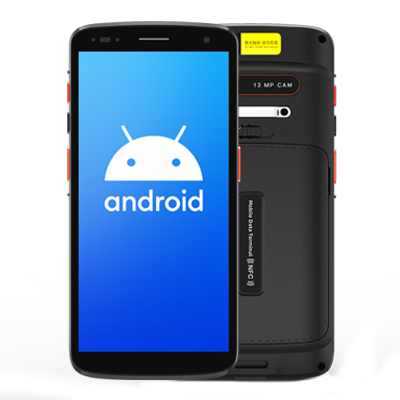
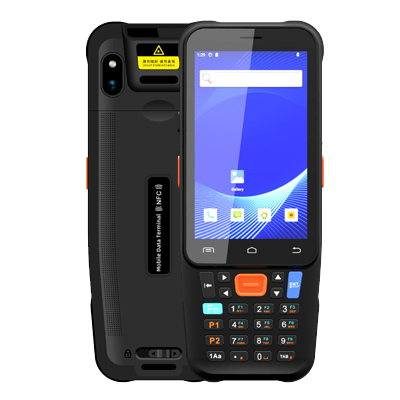
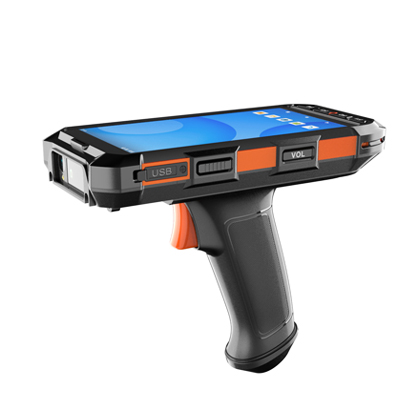
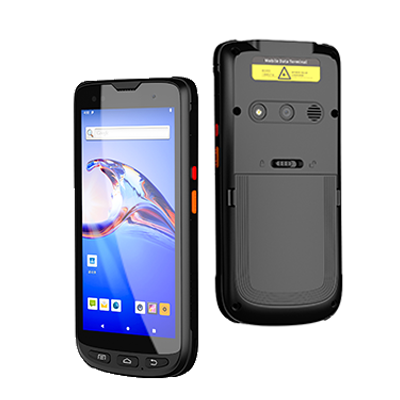
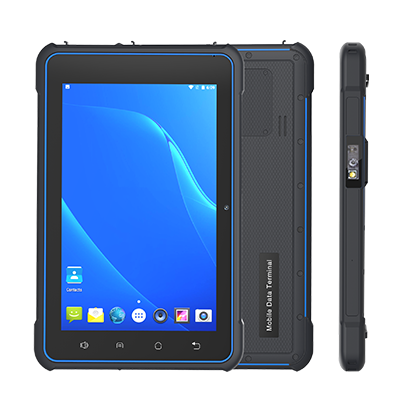
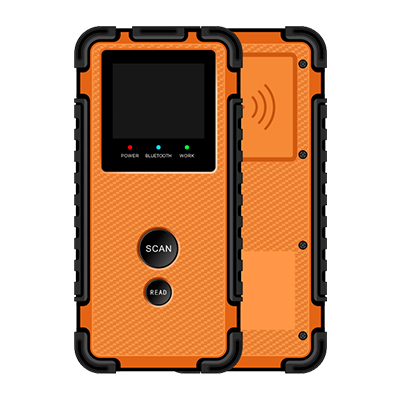
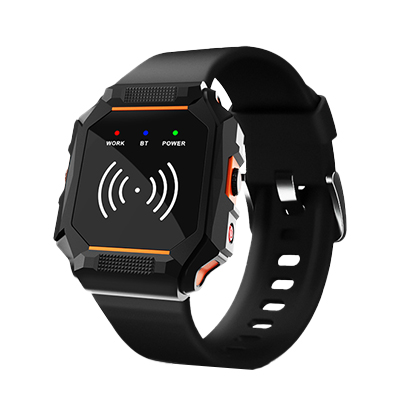
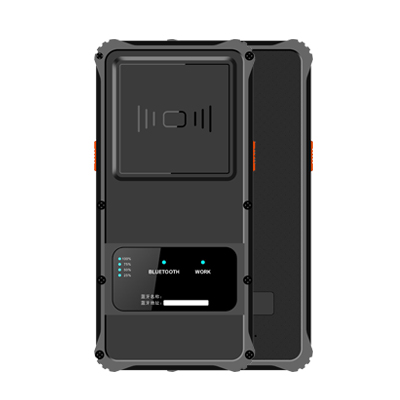
Against the backdrop of the digital transformation in national reading initiatives and cultural development, libraries are not merely oceans of knowledge but also asset hubs requiring efficient circulation. However, managing collections that often number in the hundreds of thousands or millions of volumes presents immense operational challenges for traditional management models. The introduction of RFID (Radio Frequency Identification) handheld terminals serves as a key solution to this bottleneck. Leveraging non-contact, long-range technology, these devices are fundamentally revolutionizing how libraries conduct inventory and manage their collections.

Core Empowerment: Three Disruptive Innovations of RFID Handheld Terminals
1. Moving Beyond Inefficient Manual Methods and Liberating Staff from Physical Labor: Traditional library inventory relied heavily on barcode scanning or manual visual checks.
Significant Pain Points: During inventory, staff had to pull books off the shelf one by one, align them with a scanner to read the barcode, and then return them to their original positions.
Inefficiency and Time Consumption: This labor-intensive process was not only highly inefficient but also prone to causing staff fatigue, leading to missed scans or errors. With massive collections, a full-library inventory often required closing the facility for days or even weeks, severely impacting the borrowing experience for patrons.
2. Long-Range Batch Scanning: Achieving Ultra-Fast Inventory at a Rate of 3,000 Books Per Minute. With the introduction of UHF RFID handheld terminals, inventory management has evolved from counting books individually to "blind scanning" entire shelves.
A Revolution in Speed: Staff simply need to sweep the RFID device along the aisle; the radio frequency signals emitted by the terminal instantly penetrate the book spines to read the embedded RFID tags in bulk.
Powerful Batch Scanning Capabilities: In practical applications, high-performance RFID handhelds enable rapid, long-range identification of large batches, achieving speeds of up to 3,000 books per minute. Tasks that previously required a team working for weeks can now be easily completed by a single person in just a few hours, representing an exponential leap in efficiency.
3. Self-checking for mis-shelved items and intelligent verification ensure that no book remains misplaced. Beyond offering lightning-fast inventory speeds, RFID handheld terminals empower librarians with robust backend data interaction and intelligent search capabilities:
Self-checking for mis-shelved items: Books are often casually misplaced by readers after browsing or returning them, leading to shelving errors. When the handheld terminal scans the shelves, the system automatically compares the items against their standard locations in the database. If a misplaced book is detected, the device immediately issues an audible beep or an on-screen alert, prompting the librarian to return it to its correct spot.
Rapid book location (Radar-style search): When a specific book or a rare, valuable item needs to be found, librarians can enter keywords into the terminal to activate "radar mode." As they approach the target book, the handheld device emits a signal-strength-based tone that intensifies, enabling librarians to pinpoint the exact location within seconds.
Intelligent verification: Processes such as check-in/check-out, weeding (de-accessioning), and shelving new arrivals can all undergo on-site intelligent verification and data synchronization via the handheld terminal, ensuring a 100% match between inventory records and physical stock.
From "scanning book-by-book" to "blind-reading entire shelves," and from "manual inventory" to "data-driven intelligent control," RFID handheld terminals are hitting the "fast-forward" button on the digital transformation of libraries. They not only liberate librarians from repetitive, inefficient manual labor but also render the dynamic management of vast book collections transparent, precise, and real-time. As the national reading initiative deepens, this technology delivers more than just an exponential boost in operational efficiency; it enables a brand-new service capability—ensuring every book can be quickly located, accurately shelved, and efficiently circulated.
It is foreseeable that as RFID technology further integrates with artificial intelligence and IoT platforms, libraries will evolve from mere repositories of books into smart reading spaces capable of perception, interaction, and real-time responsiveness. RFID handheld terminals serve as the key that unlocks this profound transformation.
7 * 24-hour service hotline
Room 702, Building 5, Gonglian Urban Intelligence Valley, No. 58, Ping'an Road, Guanlan Street,Longhua District, Shenzhen,China,518110
E-mail: info@hhw9.com