
400-9920-618
As the wave of digital transformation sweeps through the cultural heritage and museum sector, traditional museum management models are undergoing a profound evolution. Cultural artifacts are not merely the accumulation of history; they are unique assets that defy simple digitization.
How can museums achieve efficient inventory checks, real-time tracking, secure storage management, and intelligent exhibition displays without risking damage to the artifacts?
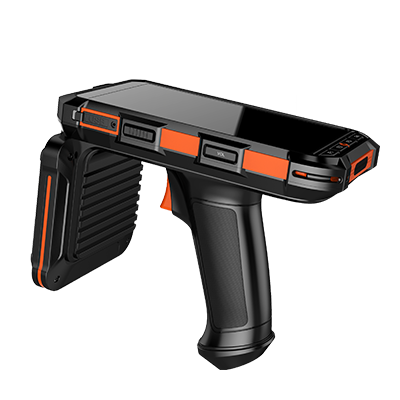
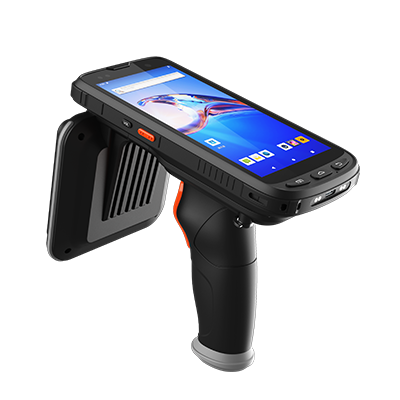
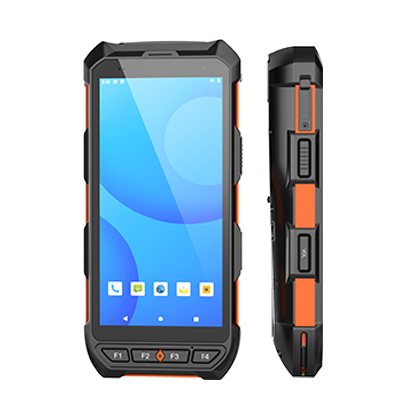
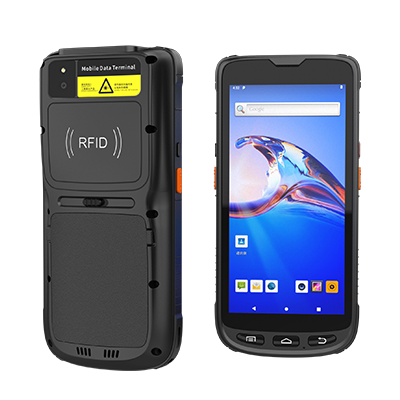
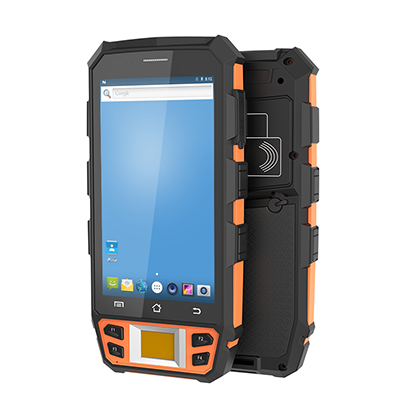
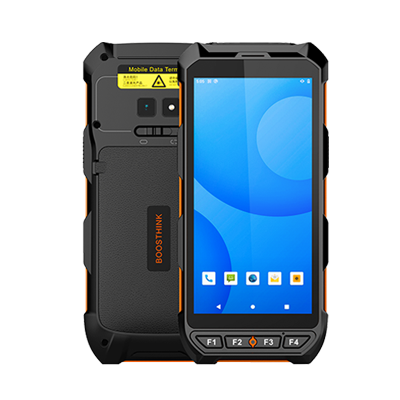
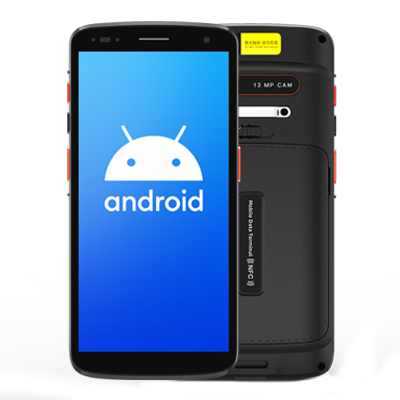
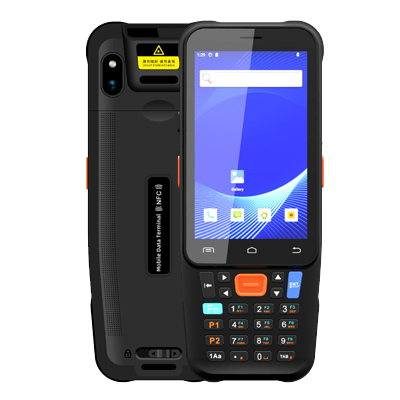
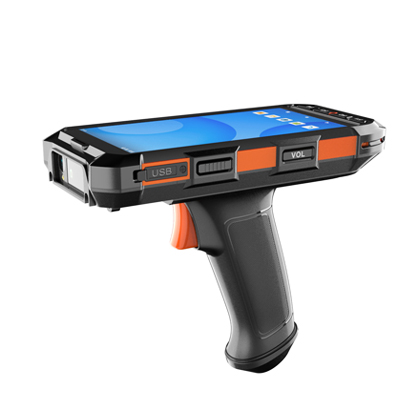
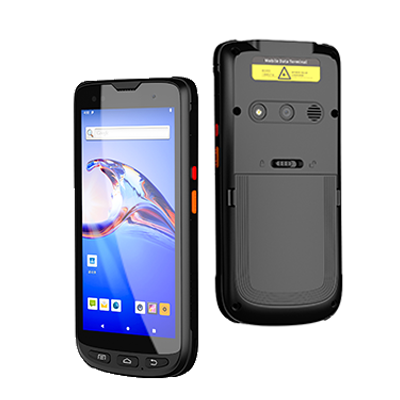
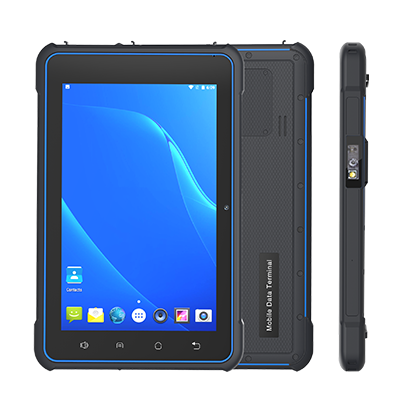
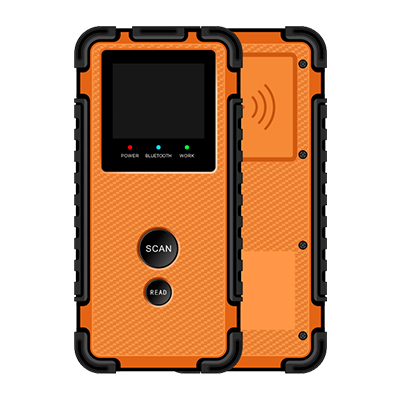
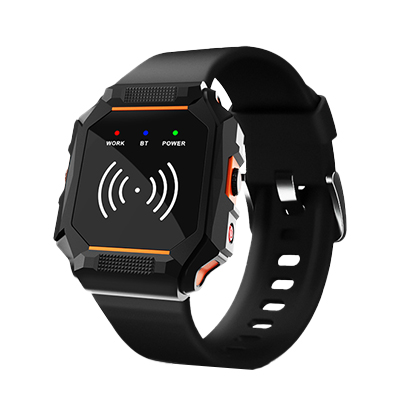
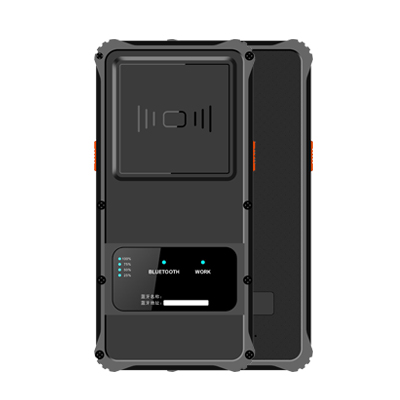
Recently, a national first-class museum officially adopted Handheld's UHF RFID handheld terminals. This move represents not just a hardware upgrade, but a pivotal step toward smart museum operations and digital twin-based management.
I. Addressing Pain Points: Four Major Challenges in Traditional Museum Management
Before adopting RFID technology, the museum’s storage management relied on traditional manual processes and barcode systems, facing several key challenges:
Time-consuming and risky inventory checks: With a vast number of artifacts in storage, traditional inventory methods required moving and verifying tags one by one. This was not only inefficient—often taking months to complete—but the frequent physical handling also increased the risk of damage to the artifacts.
Cumbersome entry/exit registration: During frequent movements—such as for restoration, external loans, or traveling exhibitions—manual registration was prone to omissions and errors, leading to discrepancies between records and actual inventory.
Difficult location tracking: Small or densely stored artifacts were extremely hard to locate if placed in the wrong storage spot—akin to finding a needle in a haystack.
Lagging security and anti-theft measures: Traditional security relied largely on retrospective video surveillance and verification, lacking real-time monitoring of the in-storage status of individual artifacts.
II. Implementation Strategy: A "Digital Protection Network" Built with RFID Handheld Terminals
To address these challenges, the museum deployed an integrated, closed-loop solution comprising "RFID smart tags," "RFID handheld terminals," and a "museum asset management system."
1. Millisecond-level batch reading: Simplifying the artifact inventory process
In the past, the quarterly inventory check for tens of thousands of artifacts was a massive undertaking that took six months to complete. Now, staff members simply walk through the storage aisles with an RFID handheld terminal; the radio frequency signals emitted by the device penetrate the packaging, instantly reading the tag information of dozens of artifacts within seconds.
Results: Inventory time has been reduced from months to hours. Furthermore, the process requires no physical contact with the artifacts, enabling "blind inventory" with zero risk of damage.
2. Intelligent Inbound/Outbound Management with Real-Time Process Tracking
When artifacts must leave storage—such as for external exhibitions or restoration—staff scan them using the handheld terminal, automatically triggering the system's verification and approval workflow.
The terminal screen displays real-time information, including photos, historical periods, current status, and destinations.
Upon confirmation, a single-click submission updates the artifact's status to "Outbound," synchronizing data flow with physical movement.
3. Precise Dynamic Item Location and Misplacement Alerts
When searching for a specific artifact within a vast storage facility, staff can input the artifact's ID or name into the handheld terminal. The device activates a "radar search" mode; as the user approaches the target, the terminal provides cues—such as changing buzzer frequencies or signal strength indicators—to help pinpoint the location within seconds.
If the terminal detects an artifact that does not belong in the current storage zone, it issues a misplacement alert, effectively preventing the "hidden loss" caused by items being stored in the wrong location.
4. Integrated Exhibition and Inspection for Daily Security
The handheld terminal is used not only in storage areas but also for daily inspections in exhibition halls. By simply bringing the terminal close to a display case, inspectors can automatically log the inspection of exhibited artifacts, recording real-time data on temperature, humidity, and the condition of the artifact's surface, and uploading this information to the backend system with a single click.
III. Core Advantages: Why Choose RFID Handheld Terminals? In the unique setting of a museum, RFID handheld terminals have become a powerful tool for digital transformation, thanks to their distinctive hardware advantages:
| Features | Traditional Barcode / Manual Management | RFID Handheld Terminal / Intelligent Management |
| Reading Method | Requires precise alignment; single-item scanning; low efficiency | Long-range; batch/bulk reading; no focusing required |
| Artifact Safety | Frequent handling and moving; high risk of damage | Non-contact reading; no physical handling; extremely high safety level |
| Data Real-time Capability | Manual entry; information lags and is prone to errors | 4G/5G/Wi-Fi real-time synchronization; zero data latency |
| Search Efficiency | Relies on memory and visual searching; time-consuming and laborious | Radar-like positioning; pinpoint location in seconds |
IV. Customer Testimonials and Projected Benefits
"Since introducing RFID handheld terminals, our efficiency in inventorying artifacts in the storage facility has improved by over 90%. More importantly, this has fundamentally transformed our previous operational model, which prioritized general management over precise tracking. Now, the entire lifecycle of every artifact—from entry into storage and removal to exhibition—is monitored by the system in real time, significantly enhancing the security of these national treasures."
Conclusion:
The vitality of artifacts lies in their preservation and transmission through time, while their protection relies on precision. The successful implementation of RFID handheld terminals in museums has effectively equipped ancient artifacts with digital "identity cards."
Looking ahead, we will continue to deepen our engagement in the smart museum sector. By leveraging cutting-edge technologies such as the Internet of Things (IoT) and digital twins, we aim to help more museums make the leap from "traditional custodianship" to "smart, intelligent management," ensuring that history endures and thrives in the digital age.
7 * 24-hour service hotline
Room 702, Building 5, Gonglian Urban Intelligence Valley, No. 58, Ping'an Road, Guanlan Street,Longhua District, Shenzhen,China,518110
E-mail: info@hhw9.com