
400-9920-618
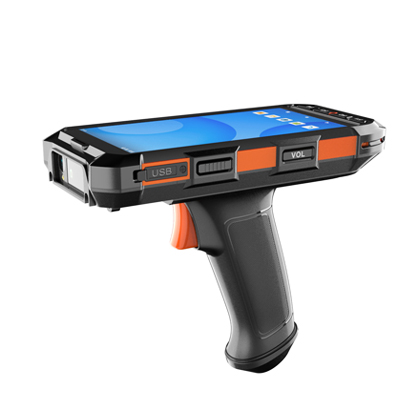
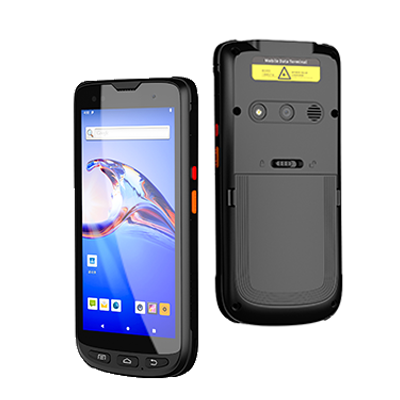
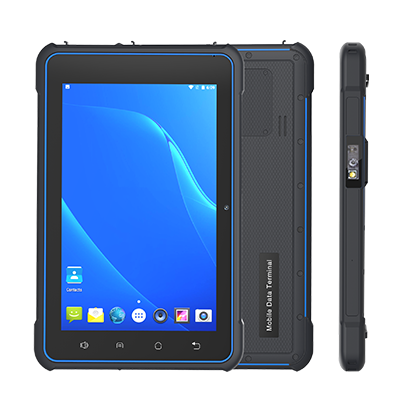
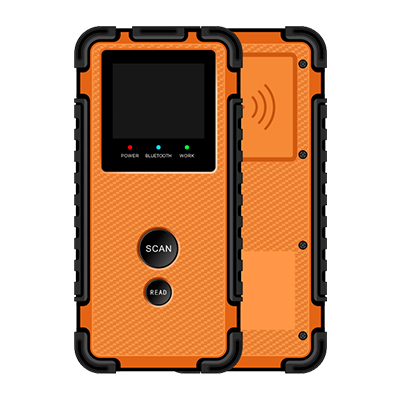
Speed is the essence of fresh and frozen food logistics. In seafood cold chain logistics and warehousing, the cold storage environment serves as the ultimate proving ground for the performance of digital equipment. Due to their short shelf life, high turnover rates, and extreme temperature sensitivity, seafood products expose critical flaws in traditional manual barcode-based inventory management: chaotic batch tracking, sluggish reconciliation processes, and high losses caused by frequent carton opening. To overcome these challenges, seafood cold chain enterprises are increasingly adopting industrial-grade RFID handhelds—capable of operating at -20°C and scanning instantly from up to 20 meters away—as a key tool to break management bottlenecks, cut costs, and boost efficiency.
I. Industry Pain Points: The "Shadow of the Ice" in Seafood Cold Storage Management
Managers in traditional seafood cold storage facilities often face three major challenges:
Chaotic Batches and Difficult FIFO Execution: Seafood arrives in numerous batches with diverse specifications. Poor visibility inside cold storage makes manual record-keeping prone to errors where "new stock buries old stock," leading to the spoilage and disposal of expensive seafood that has exceeded its shelf life.
Frost Accumulation and Slow Reconciliation: Traditional barcodes are prone to frosting, icing over, or peeling off in low temperatures. Warehouse staff must wipe down items, locate barcodes, and scan them at close range, resulting in extremely slow reconciliation speeds.
Frequent Carton Opening and High Losses from Temperature Fluctuations: Verifying seafood varieties and quantities inside cold storage containers requires frequent opening and prolonged inventory checks. This causes temperature fluctuations that severely compromise seafood quality, driving up product loss rates and energy costs.
II. Core Empowerment: Five Key Advantages of High-Performance RFID Handhelds
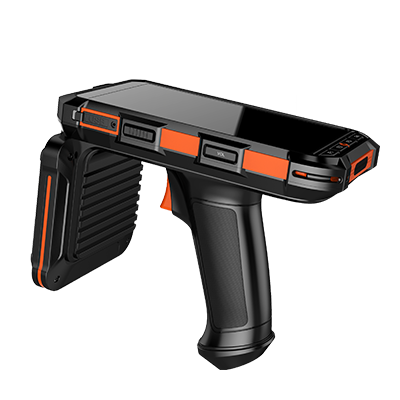
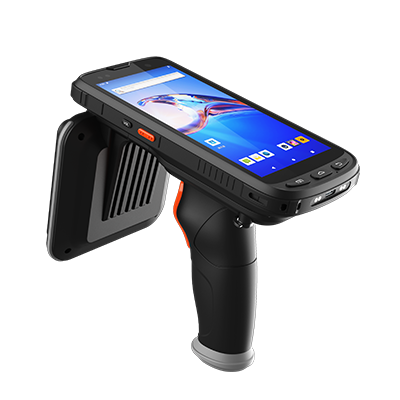
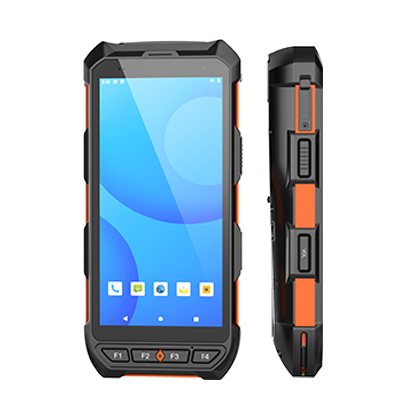
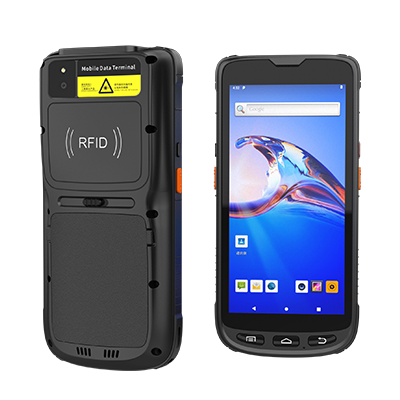
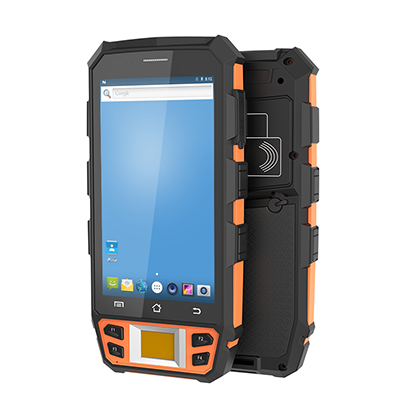
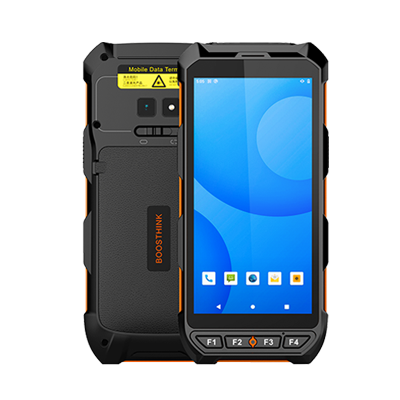
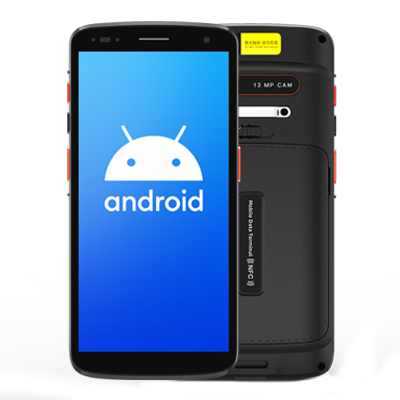
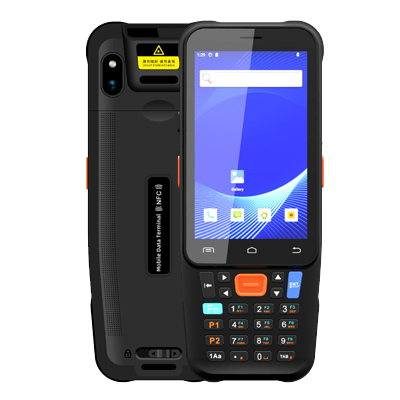
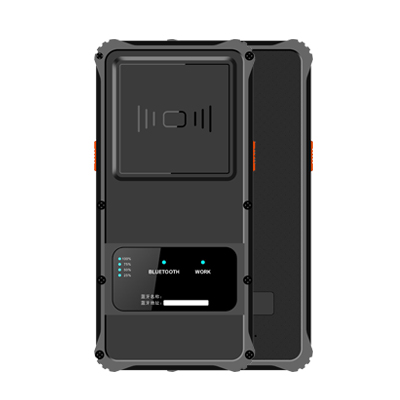
To address these persistent industry issues, a new generation of industrial-grade RFID handheld terminals leverages smart radio frequency technology to establish an efficient, precise, and closed-loop digital workflow within the cold chain environment.
1. Long-Range, Instant Scanning (20m): Batch inventory checks without climbing or unpacking
Seafood cold storage facilities typically utilize high-rise heavy-duty racking to maximize space efficiency.
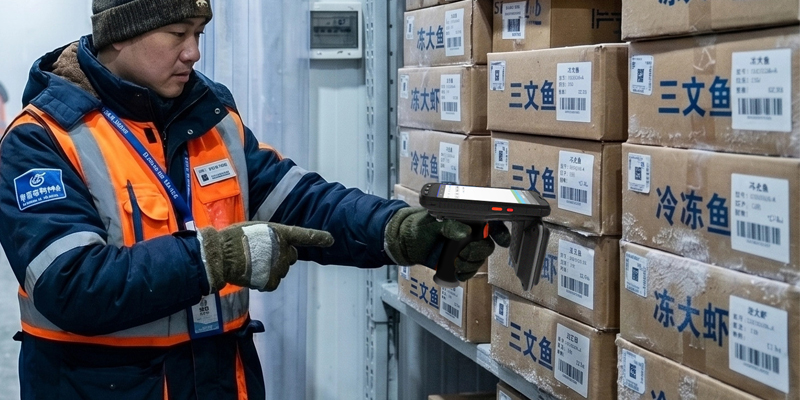
Long-range scanning: Equipped with a high-performance UHF module, the handheld device supports scanning ranges of up to 20 meters. Warehouse staff can easily scan entire pallets of seafood on the top racks while remaining safely on the ground.
Instant batch reading: For seafood arriving by the truckload or pallet, the device can instantly read RFID tags on hundreds of shipping containers without the need for unpacking, reducing the time required for inbound inventory checks from hours to mere seconds.
2. Low-Temperature Operation (-20°C): Industrial-grade quality built for extreme cold
Standard consumer-grade devices or inferior handhelds often suffer from rapid battery drain, screen failure, or casing cracks in cold storage environments.
Uncompromised cold resistance: Designed specifically for the cold chain, the device utilizes low-temperature resistant materials and a specialized anti-fog display window, ensuring stable, continuous operation even in -20°C cold storage.
Extended battery life: Equipped with a high-capacity, low-temperature resistant battery (8000mAh), the device ensures uninterrupted performance during long, intensive inventory sessions, eliminating the efficiency loss caused by frequently entering and exiting the cold room to swap equipment.
3. Precise Traceability via Unique ID: Ensuring food safety
Seafood is assigned a globally unique electronic code upon leaving the factory or entering the warehouse; this code is linked to data such as the fishing zone, processing time, inspection reports, and supplier information.
Full lifecycle tracking: Using RFID handhelds, data at every handover point—from "fishing ➔ cold storage ➔ transport ➔ retail store"—is precisely captured and uploaded to the cloud.
Rapid containment mechanism: If a quality risk is detected in a specific batch, the backend system allows for the instant tracing of all affected batches and their destinations, enabling precise product recalls.
III. Tangible Benefits: From "Opaque Records" to a "Digitally Transparent Warehouse"
By implementing an RFID handheld solution, seafood cold chain enterprises can achieve immediate operational improvements:
Batch Management Clarity: The system automatically prompts "First-In, First-Out" (FIFO) operations based on real-time inventory age, completely eliminating product spoilage and write-offs caused by batch mismanagement.
Cost and Loss Reduction: With long-range (20-meter) and rapid batch scanning capabilities, cold storage containers do not require frequent defrosting or opening; this significantly lowers cold chain product loss rates and simultaneously reduces electricity consumption.
Efficient Reconciliation: Data regarding inbound/outbound movements and stock transfers is uploaded to the system in real-time via Wi-Fi or 4G using handheld devices. This eliminates manual record-keeping, transforming the reconciliation process between finance and operations from a "next-day result" workflow into a real-time, error-free operation.
7 * 24-hour service hotline
Room 702, Building 5, Gonglian Urban Intelligence Valley, No. 58, Ping'an Road, Guanlan Street,Longhua District, Shenzhen,China,518110
E-mail: info@hhw9.com