
400-9920-618
Amid the wave of Smart City development, digital community management has become the key to enhancing resident satisfaction. As a "chronic ailment" in residential management, issues such as illegal e-bike parking, vehicle theft, and cumbersome access procedures have long plagued both property managers and residents.
The introduction of RFID (Radio Frequency Identification) technology, with its non-contact, high-efficiency, and automated characteristics, provides the digital key to transforming community e-bike governance from "manual security" to "technological security."
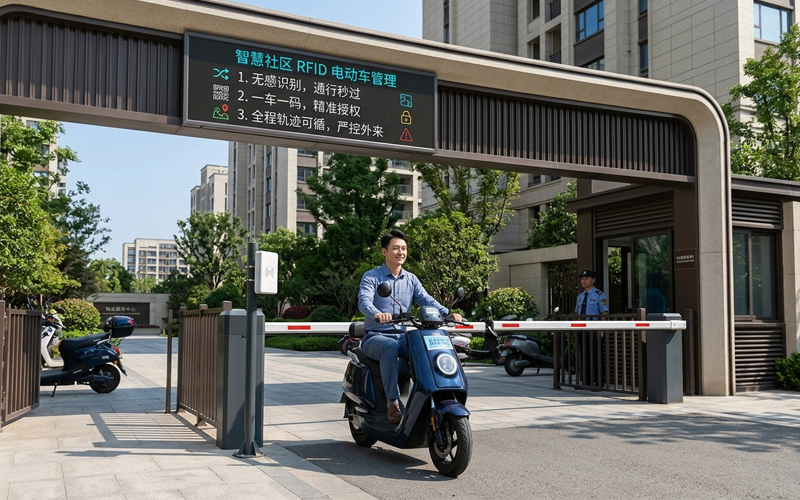
Traditional community gates or basement exits often require riders to stop, search for an access card, or take out a phone to scan a QR code. This is highly prone to congestion during rainy days or peak commute hours.
1. Long-Distance Automated Sensing
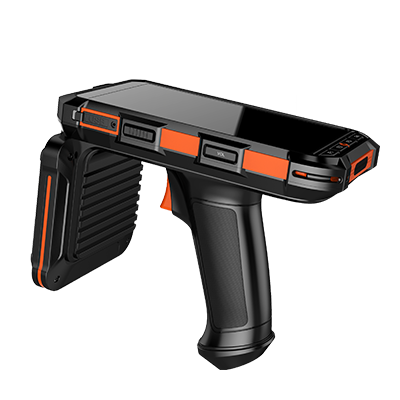
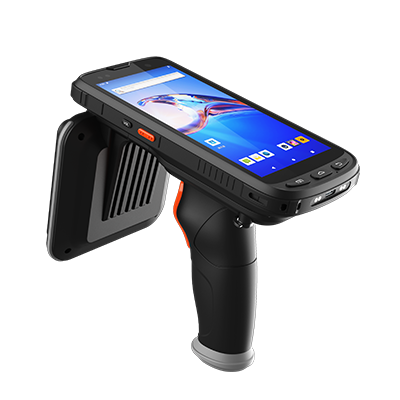
By attaching UHF RFID electronic tags to the inside of e-bike windshields or seats and installing UHF RFID readers at community entrances, the system enables long-distance automated identification.
2. Multi-Target Parallel Identification
RFID technology supports multi-tag anti-collision algorithms. Even during peak periods when multiple e-bikes enter in quick succession, the reader can capture all tag information simultaneously. This ensures every authorized vehicle passes smoothly, completely eliminating "long queues" at entrances.
Security is the baseline of community management. RFID technology achieves granular management by creating a "Digital Identity" for every authorized vehicle.
1. Unique Identity Encoding
Each RFID tag has a globally unique ID number, which is deeply bound to the vehicle model, license plate, owner’s unit number, and contact information.
2. Strict Control of Unauthorized Vehicles
Through the closed-loop management of the RFID system, unauthorized external vehicles without tags will trigger an immediate alert or be intercepted by the barrier. This not only prevents social vehicles from occupying public resources but also blocks potential security risks at the source.
The application of RFID goes beyond access control. By deploying RFID collection points at key internal intersections, charging station areas, and elevator entrances, property managers can build a comprehensive monitoring network.
1. Trajectory Tracking and Positioning
As vehicles pass readers in different areas, the system automatically records timestamps and location data.
2. Digital Operational Reports
The traffic data streams generated by the backend provide scientific decision-making evidence for property managers:
The application of RFID technology in community e-bike management is not just a hardware upgrade; it is an evolution in management philosophy. It transforms tedious manual verification into an invisible, highly efficient digital service—enhancing the resident’s homecoming experience while significantly reducing communication and labor costs for property management.
[Shenzhen Handheld-Wireless Technology Co., Ltd.] is committed to providing leading end-to-end RFID solutions for smart communities. If you are looking to elevate your community’s security and management, contact us today for a tailored digital upgrade plan.
7 * 24-hour service hotline
Room 702, Building 5, Gonglian Urban Intelligence Valley, No. 58, Ping'an Road, Guanlan Street,Longhua District, Shenzhen,China,518110
E-mail: info@hhw9.com