
400-9920-618
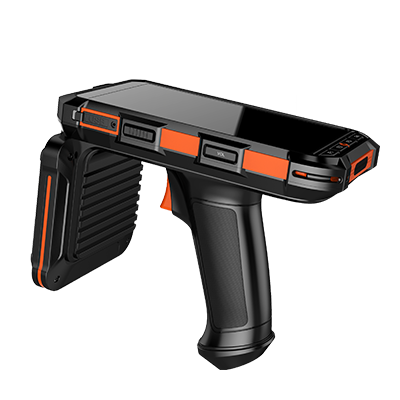
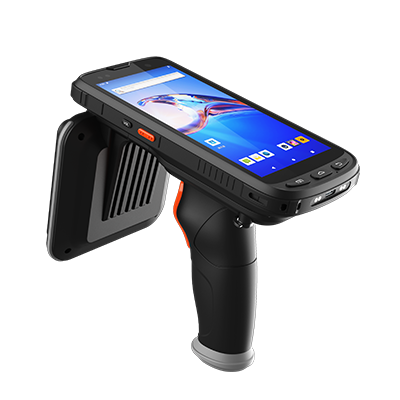
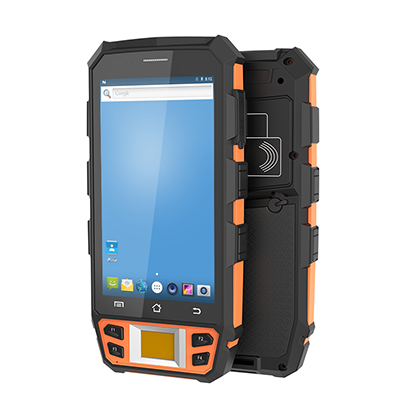
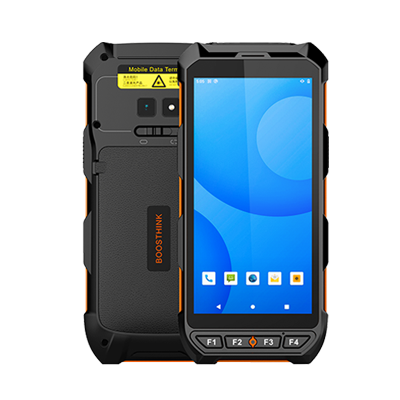
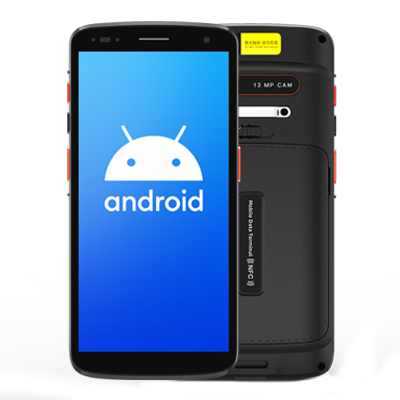
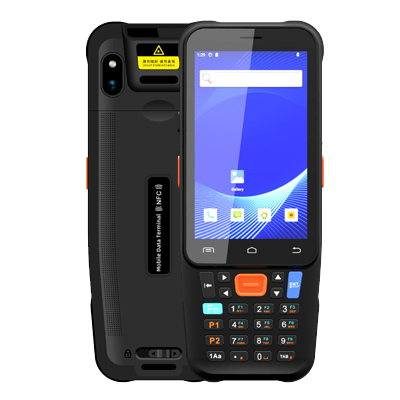
In fixed asset management, many enterprises do not lack management systems; instead, they face a recurring practical dilemma: asset data is difficult to update in real-time, inventory costs remain high, and management results are hard to maintain accurately over the long term. To address challenges such as large asset volumes, wide geographical distribution, and low counting efficiency, the introduction of RFID handheld terminals has become a mature solution for the digital upgrade of fixed asset management.
From the perspective of practical management needs and implementation, this article introduces a fixed asset management solution based on RFID handheld terminals.

This solution is primarily designed for the following fixed asset management scenarios:
Target Industries: Manufacturing, Healthcare, Energy & Utilities, Research Institutes, and Large Scale Enterprises/Public Institutions.
Before implementing RFID, fixed asset management usually faces several bottlenecks:
1. Solution Components
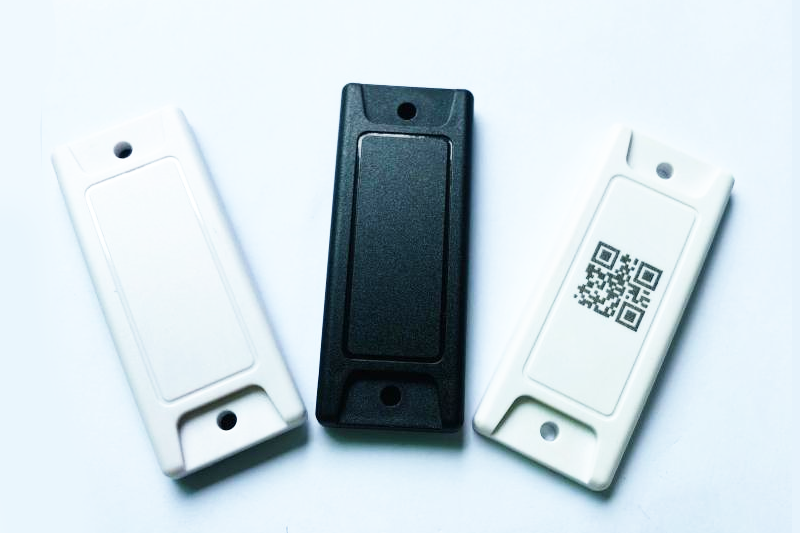
The solution typically consists of three core elements:
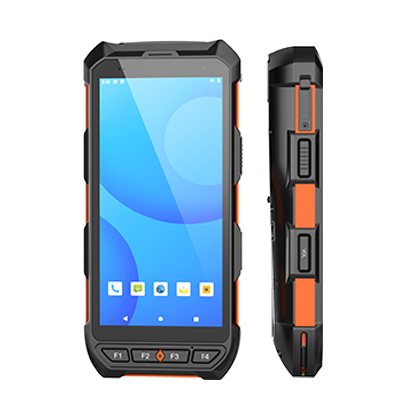
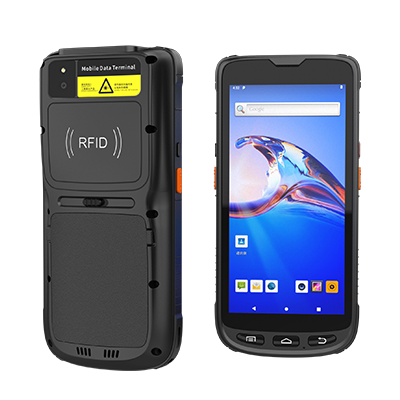
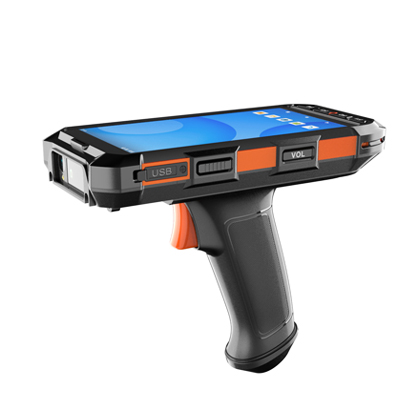
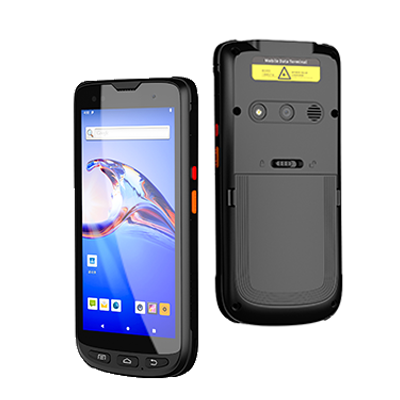
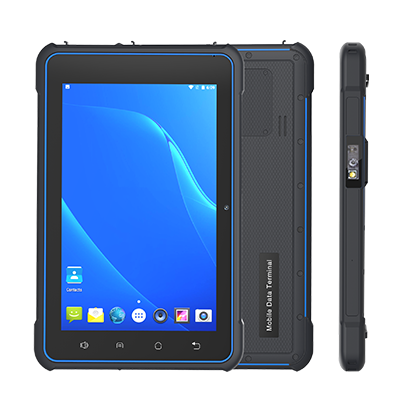
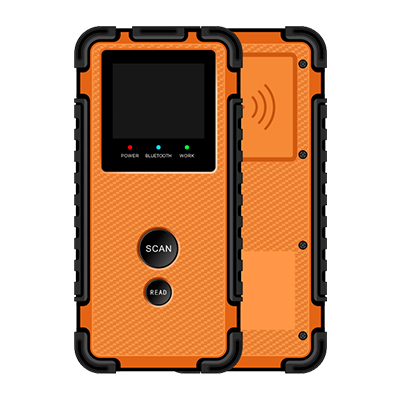
2. The Role of RFID Handheld Terminals
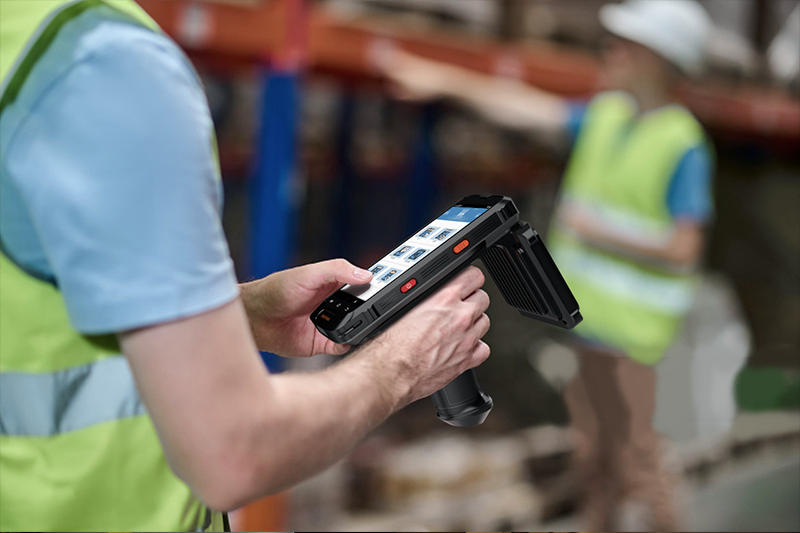
In this architecture, the handheld terminal acts as the "bridge" for:
1. Inventory Audit Process
Managers enter the asset area with the RFID handheld terminal; the device automatically identifies all asset tags within range. Data is then synced to the management system, which automatically reconciles the physical count with the ledger to generate results: Normal, Missing, or Abnormal.
2. Asset Verification & Exception Handling
When the system detects an anomaly, managers can use the RFID terminal to perform on-site verification, quickly confirming the asset's physical existence and updating its status or location.
3. Asset Movement Management
During transfers, loans, or returns, the RFID terminal acts as a field execution tool, automatically recording changes to minimize manual data entry.
Based on project experience, we recommend focusing on the following for a successful rollout:
An RFID-based solution is not just about replacing a tool; it is about optimizing the entire identification and management process. As asset scales and management complexity grow, this solution offers a more efficient, stable, and professional path for modern enterprises.
7 * 24-hour service hotline
Room 702, Building 5, Gonglian Urban Intelligence Valley, No. 58, Ping'an Road, Guanlan Street,Longhua District, Shenzhen,China,518110
E-mail: info@hhw9.com